Understanding AI and Its Role in Digital Marketing
Artificial Intelligence (AI) has emerged as a pivotal technology in the realm of digital marketing, fundamentally transforming how businesses interact with consumers and analyze market trends. At its core, AI involves the simulation of human intelligence within machines, allowing them to perform tasks that typically require cognitive functions such as learning, reasoning, and problem-solving. This capacity makes AI particularly valuable in analyzing vast amounts of consumer data, which can inform smarter marketing strategies.
One significant aspect of AI in digital marketing is its ability to enhance consumer data analysis. Marketers now have access to sophisticated algorithms that can sift through large datasets to unveil patterns and insights about consumer behavior. By employing machine learning techniques, AI systems can identify trends that may not be immediately apparent to human analysts. This capacity for predictive analytics enables businesses to tailor their marketing strategies more effectively, ensuring that they are aligned with evolving consumer preferences.
Another vital role of AI in this landscape is automation. Marketing tasks that once required considerable human effort, such as email marketing campaigns or social media postings, can now be efficiently executed using AI-driven tools. These tools can schedule posts, respond to inquiries, and optimize content delivery times based on user engagement data. Furthermore, automation saves time and resources, allowing marketing teams to focus their efforts on strategy development and creative initiatives.
As the digital marketing landscape continues to evolve, the significance of AI technologies cannot be overstated. With ongoing advancements in algorithms and machine learning capabilities, businesses that leverage AI are likely to maintain a competitive edge. Understanding how these technologies operate and their applications in digital marketing is essential for marketers looking to enhance their strategies for greater consumer engagement and success.
Enhancing Customer Experience Through AI

The integration of artificial intelligence (AI) technologies into digital marketing strategies has significantly transformed how businesses interact with their customers. A primary advantage of utilizing AI is the improvement of customer experience, which is critical in today’s competitive landscape. One of the most notable tools in this domain is chatbots. These AI-driven, interactive systems provide immediate responses to customer inquiries, effectively enhancing engagement through instant support. As a result, customers receive assistance at any time, which can lead to higher satisfaction rates.
Moreover, personalized content recommendations powered by AI algorithms play a crucial role in refining customer experience. By analyzing user data, including past purchases and browsing habits, AI systems can offer tailored recommendations that resonate with individual preferences. This level of personalization not only enhances the relevance of marketing messages but also fosters a stronger connection between brands and customers. Businesses leveraging these advanced analytics can cultivate a loyal customer base who appreciate targeted offerings specific to their needs.
Sentiment analysis is another impactful AI application that allows digital marketers to gauge the emotions conveyed in customer interactions. By utilizing sentiment analysis tools, businesses can assess feedback from social media, surveys, and customer reviews. This provides invaluable insights into customer perceptions and feelings towards products and services. Understanding customer sentiment enables brands to adapt their strategies and communications accordingly, thereby promoting positive interactions that enhance overall satisfaction.
In summary, the application of AI in digital marketing extends beyond mere automation. By harnessing chatbots, personalized recommendations, and sentiment analysis, businesses are equipped to elevate customer experience, driving engagement and satisfaction. AI tools not only streamline processes but significantly enrich the way brands connect with their audience, making customer interactions more meaningful and effective.
AI-Driven Analytics for Better Marketing Decisions

In the rapidly evolving landscape of digital marketing, the integration of AI-driven analytics has revolutionized how marketing decisions are made. By leveraging advanced analytics techniques powered by artificial intelligence, marketers can sift through and interpret vast amounts of data with unprecedented speed and accuracy. This capability not only enhances the understanding of consumer behavior but also informs strategic decision-making.
One of the most significant advantages of using AI in analytics is its proficiency in tracking consumer behavior patterns. Traditional analytics often struggles to provide real-time insights, but AI enables marketers to access up-to-date data that reflects current consumer interactions across multiple platforms. For instance, machine learning algorithms can analyze user engagement metrics, such as click-through rates and time spent on site, to generate a comprehensive view of customer preferences and buying habits.
Furthermore, AI-driven analytics tools utilize predictive modeling to forecast future trends based on historical data. By analyzing past behaviors, these models can identify potential shifts in consumer preferences, allowing marketers to adjust their strategies proactively. This proactive approach is particularly beneficial in creating personalized marketing campaigns, as insights gained from analytics can be used to tailor messaging and product offerings to specific audience segments.
Additionally, AI facilitates segmentation and targeting in ways that were previously difficult to achieve. With advanced algorithms, marketers can create more precise audience segments based on various factors such as demographic information, shopping behavior, and interaction history. This level of granularity leads to more effective campaigns and improved ROI, as resources can be allocated to the most likely prospects.
In conclusion, the incorporation of AI-driven analytics in digital marketing strategies not only provides marketers with actionable insights but also empowers them to make informed, data-driven decisions. The ability to effectively analyze consumer behavior and predict future trends ultimately enhances campaign optimization and improves overall marketing efficacy.
Future Trends of AI in Digital Marketing
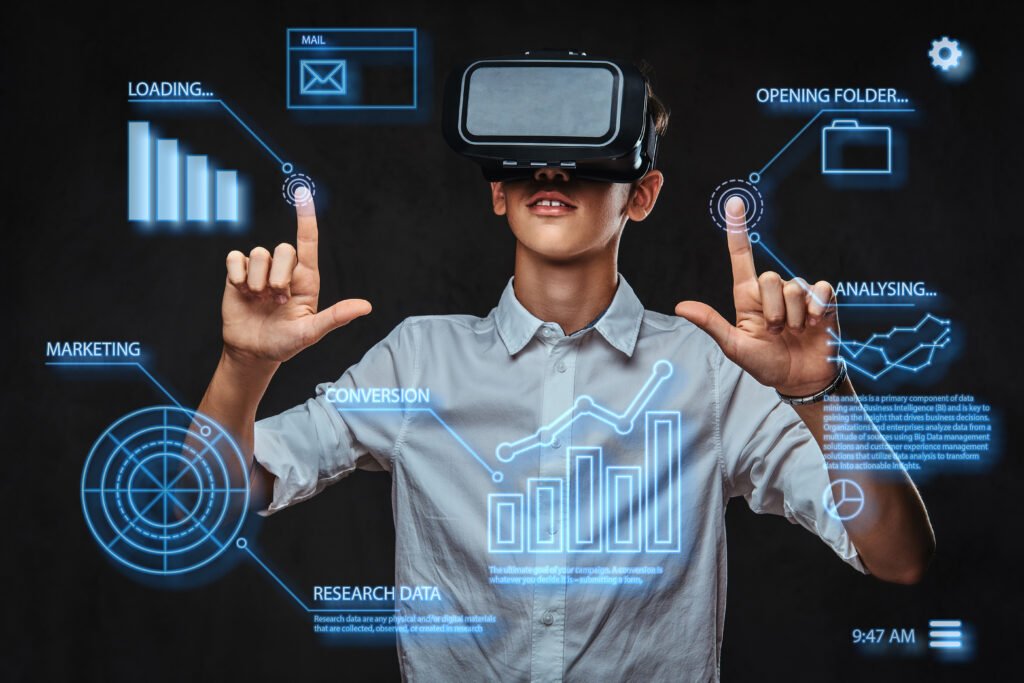
The future of artificial intelligence (AI) in digital marketing is poised to revolutionize the industry with emerging trends that promise greater efficiency and effectiveness. As technology continues to advance, the integration of more sophisticated data handling capabilities will become commonplace. Marketers will have access to real-time analytics, allowing them to make more informed decisions based on comprehensive consumer insights. This evolution in data integration is set to enhance targeting strategies, enabling greater personalization and improved user experiences.
In addition to enhanced data strategies, increased automation will be a significant trend in digital marketing driven by AI. As marketers seek to streamline their operations, AI will play an essential role in automating repetitive tasks such as content creation, social media management, and email marketing campaigns. This shift will not only improve campaign efficiency but also free up valuable time for marketing teams to focus on strategy and creative thinking. Furthermore, advanced algorithms will enable predictive analytics, allowing marketers to anticipate consumer behavior and tailor their offerings accordingly.
However, as AI technology continues to advance, ethical considerations will become increasingly important within the digital marketing landscape. Issues surrounding data privacy, algorithmic bias, and the transparency of AI-generated content demand careful attention. It will be crucial for marketers to navigate these challenges responsibly to foster consumer trust and adhere to regulatory guidelines. Moreover, as the public becomes more aware of AI’s capabilities, establishing ethical standards will be vital to ensure that marketing practices remain fair and respectful.
In summary, the future of AI in digital marketing is bright, characterized by enhanced data integration, increased automation, and a focus on ethical considerations. As these trends unfold, businesses that embrace AI’s potential will be well-positioned to thrive in an ever-evolving digital landscape.